 Click To Email
  (623) 323-9044
  Opening hours: Mon - Friday, 6:00am to 7:00pm



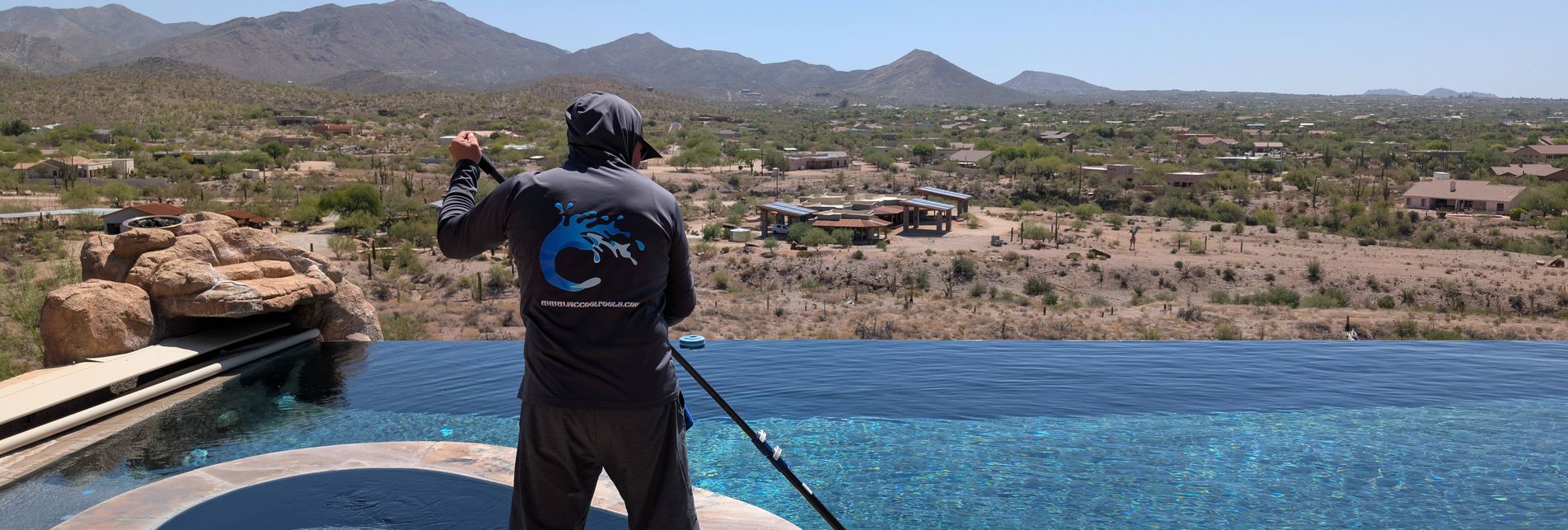


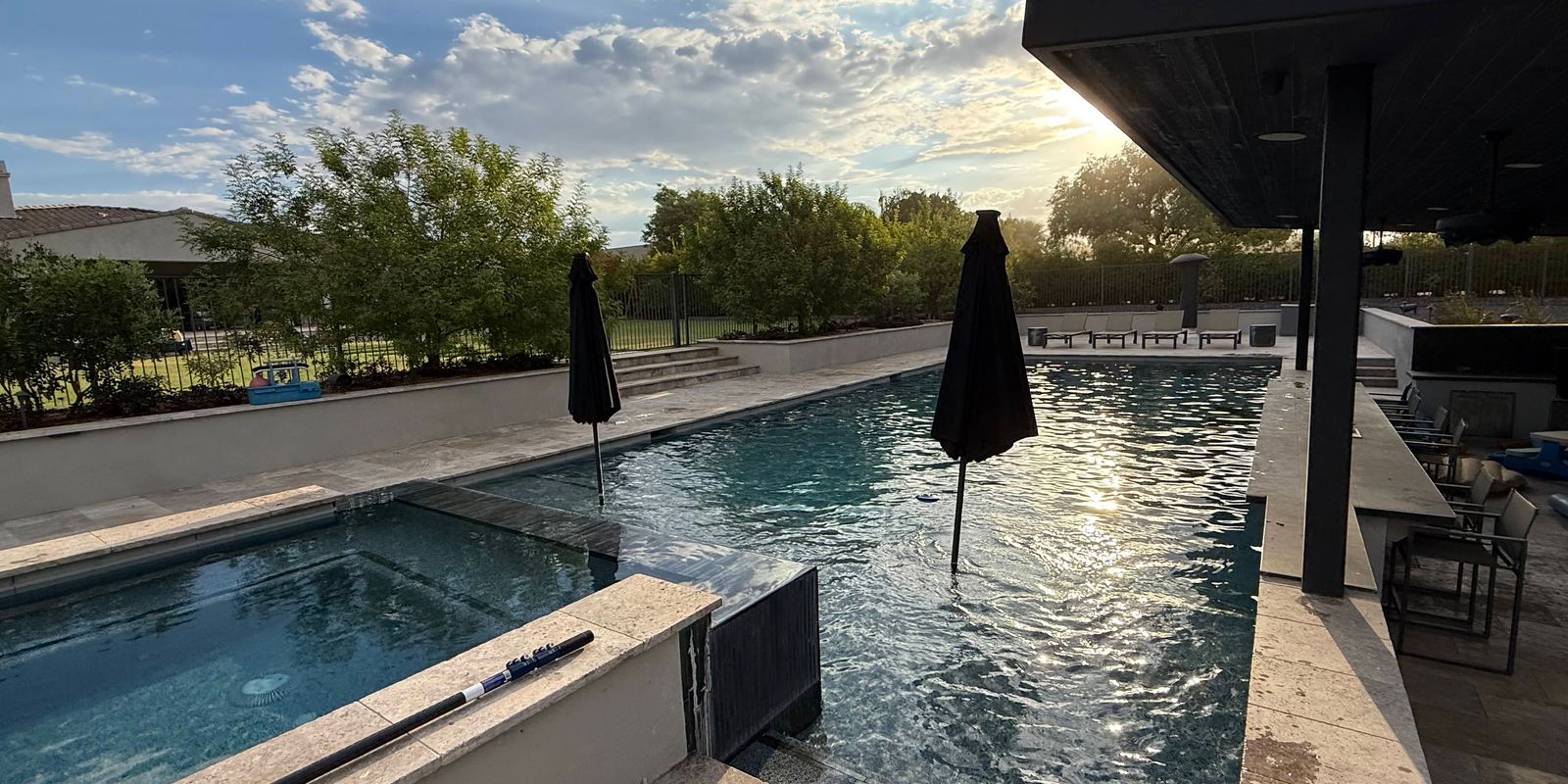

Arizona leads the nation in residential pool ownership per capita — and unfortunately, we're also near the top in drowning incidents. With pools in roughly 35% of Valley homes and swimming weather that stretches from March through November, safety isn't something you think about once and forget. It needs to be woven into how you maintain and use your pool every single day.
At McCool's Pools, we see hundreds of backyards a week. Some are locked down tight with multiple layers of protection. Others have gates that don't latch, alarms that were disconnected years ago, and drain covers that should have been replaced a decade ago. This guide covers everything Arizona pool owners need to know — from what the law actually requires to the habits that save lives.
Arizona Pool Barrier Laws: What's Actually Required
Arizona's pool barrier law (ARS §36-1681) applies to every residential pool and spa with a water depth greater than 18 inches. If that's your pool, you need at least one of the following:
- A pool fence at least 5 feet tall with a self-closing, self-latching gate
- An approved pool cover that meets ASTM standards (not a solar cover — those don't count)
- Door alarms on every house door that opens to the pool area
- A mesh removable fence that meets the height and strength requirements
The key detail most homeowners miss: the barrier has to prevent unsupervised access by children under age 6. That means your fence gate needs to latch automatically every time, the latch needs to be at least 54 inches from the ground, and there can't be any climbable objects within 3 feet of the fence.
If you're selling your home, these requirements get inspected. We've seen multiple real estate deals hit snags because the pool barrier wasn't compliant, so it's worth getting right even if you don't have young children — future buyers will care.
Common Code Violations We See
In our years of servicing pools across the Valley, these are the barrier issues we notice most often:
- Gate latches that don't fully engage. The spring wore out two years ago, and nobody noticed because adults just pull the gate shut. A toddler doesn't.
- Furniture or planters near the fence. That decorative pot you placed next to the pool fence is now a stepping stool.
- Doggy doors that open to the pool area. If a small child can fit through it, it's a code issue.
- Block walls that are under 5 feet. Many older Phoenix homes used 4-foot block walls as their pool barrier. That hasn't been compliant for decades.
Drain Safety: The Hidden Danger
Pool drains generate powerful suction — enough to trap a child or adult against the drain cover. This isn't theoretical. The Virginia Graeme Baker Pool & Spa Safety Act (federal law since 2008) requires all public and residential pools to have anti-entrapment drain covers that meet the ASME/ANSI A112.19.8 standard.
Here's what you need to know as a homeowner:
- Drain covers have expiration dates. Most are rated for 7-10 years. Check the date stamped on yours. If it's past due or cracked, replace it immediately.
- Single-drain pools are higher risk. If your pool has only one main drain, consider adding a secondary drain or installing a Safety Vacuum Release System (SVRS) that shuts off the pump when it detects a blockage.
- Teach kids to stay away from drains. Even with compliant covers, it's a good habit. Long hair, loose clothing, and small fingers can still create dangerous situations near suction fittings.
During our regular service visits, we check drain cover condition as part of our equipment inspection. If yours is deteriorating, we'll flag it. But if you're a DIY pool owner, put a calendar reminder to check it every six months.
Electrical Safety Around the Pool
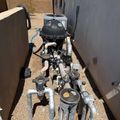
Water and electricity are a dangerous combination, and Arizona pools have a lot of electrical equipment packed into a small pad — pumps, heaters, salt cells, lighting, automation systems. Here's what to keep safe:
GFCI protection is non-negotiable. Every outlet within 20 feet of the pool must be on a Ground Fault Circuit Interrupter. Test yours monthly by pressing the "test" button — if it doesn't trip, call an electrician. GFCIs also protect pool lights and pump circuits. If your equipment pad doesn't have GFCI breakers, that's an urgent upgrade.
Bonding and grounding matter. Pool bonding connects all metal components (handrails, ladders, equipment, rebar in the deck) to create an equipotential grid that prevents stray voltage. If you feel a tingle touching the water or metal fixtures, get out of the pool immediately and call a licensed electrician. Stray voltage is a genuine emergency.
Pool light maintenance. Older incandescent pool lights run at 120V and can be dangerous if the lens housing cracks or the seal fails. Modern LED replacements run at 12V, which is much safer and also cuts your lighting energy use by about 80%. If your pool light is original to a pool built before 2010, upgrading to LED is one of the smartest safety investments you can make.
Chemical Safety: Storing and Handling Pool Chemicals
Pool chemicals are industrial-strength oxidizers and acids. Every year, fire departments across the Valley respond to chemical reactions caused by improper storage.
Storage Rules
- Never store chlorine and acid together. A spill mixing these creates toxic chlorine gas. Keep them at least 10 feet apart, ideally in separate containers or cabinets.
- Keep chemicals off the ground. Arizona monsoon flooding can knock over containers and create dangerous runoff. Store them on shelves in a ventilated area, out of direct sun.
- Don't transfer chemicals into unmarked containers. Always keep them in original packaging with safety labels intact.
- Keep chemicals locked away from children and pets. A pool chemical cabinet with a padlock is inexpensive peace of mind.
Handling Rules
- Always add chemicals to water, never water to chemicals (especially with acid)
- Wear gloves and eye protection when handling muriatic acid
- Never mix different types of chlorine (cal-hypo and trichlor react violently)
- Run the pump for at least 30 minutes after adding chemicals before swimming
Smart Habits That Save Lives
Beyond physical barriers and equipment, daily habits are your strongest line of defense:
Designated Water Watcher
Whenever kids are in or near the pool, one adult should be the designated water watcher. That means:
- No phone
- No book
- No "I'll just step inside for a second"
- Full, uninterrupted visual contact with the water
Drowning is silent. It doesn't look like the movies. A child can go under in 20 seconds without a splash or a scream. The designated watcher is the single most effective safety measure that exists.
Learn CPR
If the worst happens, the minutes between a drowning incident and when paramedics arrive determine the outcome. CPR training takes about 4 hours and could save your child's, neighbor's, or guest's life. The American Red Cross and local fire departments offer classes throughout the Valley, often for free.
Keep your CPR skills current — recertify every two years. And keep your pool's emergency number (fire department, not 911 for many unincorporated Maricopa County areas) posted near the pool.
Layers of Protection
No single safety measure is foolproof. The approach that works is layers:
- Barrier — fence, cover, or alarms to prevent unsupervised access
- Supervision — designated water watcher when the pool is in use
- Education — swim lessons for children (the AAP recommends starting at age 1)
- Preparation — CPR training, emergency info posted, phone nearby
- Equipment — compliant drain covers, GFCI protection, proper lighting
Each layer catches what the previous one might miss.
Arizona-Specific Considerations
A few things unique to our climate and environment:
Heat-related risk during summer. When it's 115°F, the pool is the obvious escape — which means more time in the water and more opportunities for incidents. Pay extra attention to hydration and sun exposure during long pool sessions. It's also easy to lose track of time in the water when the heat makes you not want to get out.
Monsoon storm protocol. If a storm is approaching, get everyone out of the pool. Lightning strikes on open water are lethal, and the warning signs (distant thunder, sudden wind shift) often precede the storm by only minutes. Wait at least 30 minutes after the last thunder before returning to the water.
Hot deck surfaces. Arizona pool decks can exceed 170°F in summer. This is a real burn risk, especially for young children. Keep shoes or sandals at the pool edge, and consider cool-deck coatings if your deck is standard concrete or exposed aggregate.
Wildlife encounters. Rattlesnakes, scorpions, and Gila monsters are drawn to water. Check the pool area before swimming, especially at dawn and dusk. A pool with good perimeter maintenance (trimmed vegetation, sealed gaps in fencing) has fewer surprise visitors.
When to Call a Professional
Some safety items are DIY-friendly — testing your GFCI, checking your gate latch, inspecting your drain cover. Others need a licensed professional:
- Any electrical work on pool equipment or lighting
- Drain cover replacement on commercial-grade or older systems
- Adding a Safety Vacuum Release System
- Pool barrier installation or modification for code compliance
- Equipment pad bonding inspection
At McCool's Pools, safety is part of every service visit. We check equipment, note potential hazards, and flag anything that needs attention. If you have questions about your pool's safety setup — or you just want a second set of eyes — give us a call. No one should have to worry about whether their backyard is safe.
Pool safety information in this article is current as of the publication date. For the latest Arizona pool barrier requirements, consult your local building department or the Arizona Department of Health Services.

 (623) 323-9044
