 Click To Email
  (623) 323-9044
  Opening hours: Mon - Friday, 6:00am to 7:00pm






Pool Costs in Arizona Are Usually a Slow Leak, Not One Big Bill
Most homeowners do not get surprised by a single giant pool expense. They get nickeled and dimed by a dozen small inefficiencies that stack up over time: a pump running too long, a filter that should have been cleaned last month, a tiny leak the autofill keeps replacing, or chemistry drifting just far enough out of balance to waste chemicals.
Arizona makes all of that worse. Heat accelerates chlorine loss, hard water leaves scale behind, dust loads up filters, and monsoon season can turn a clean pool into a maintenance project overnight. If you want to lower your pool costs here, the goal is not to cut corners. The goal is to stop paying for avoidable mistakes.
Know the Four Places Your Money Actually Goes
For most Arizona pools, operating cost falls into four buckets:
- Electricity
- Water
- Chemicals
- Repairs and service calls
If one of those is unusually high, it usually points to a fixable problem. A pool that suddenly needs more chlorine may have circulation issues. A pool that keeps losing water may have a leak or splash-out problem. A pool with repeated equipment service needs may be running too long, too hard, or with parts that are already worn out.
That is why the cheapest pool is not the one with the lowest monthly service line item. It is the one that stays stable.
Chemistry Is a Cost Control Tool
The fastest way to waste money in Arizona is to let chemistry drift and then throw product at the water until it behaves again.
Start with the basics:
- Keep free chlorine in range so algae never gets a foothold
- Keep pH from creeping high, especially in summer
- Keep alkalinity steady enough that pH does not swing all over the place
- Watch calcium hardness so hard water does not turn into scale
- Track cyanuric acid if you use tablets or stabilized chlorine
Why does this save money? Because bad chemistry creates expensive side effects. High pH reduces chlorine effectiveness and feeds scale. High CYA makes chlorine work less efficiently. High calcium hardness does not just look ugly on tile; it shortens the life of heaters, salt cells, and plumbing.
If your pool eats chlorine faster than it should, do not assume the answer is simply to add more. In Arizona, the real question is whether the water is balanced enough for chlorine to work correctly in the first place.
The Cheapest Maintenance Is the Kind You Do Before It Becomes a Repair
There are a few boring tasks that pay back immediately:
- Empty skimmer and pump baskets before circulation slows down
- Brush walls, steps, and the waterline before algae settles in
- Clean the filter on schedule instead of waiting for pressure to spike
- Check the water level so the pump does not starve for water
- Look for drips, air bubbles, or unusual pump noise while the problem is still small
These are not glamorous, but they are cheaper than replacing a pump seal, cleaning a scaled heater, or paying extra labor to troubleshoot a cloudy pool that never should have gone cloudy.
In Arizona heat, circulation matters more than people think. A pool that looks fine at 7 a.m. can be in trouble by the afternoon if it is under-circulating, especially if the backyard gets dust, full sun, or heavy swim use.
The Energy Bills Add Up Faster Than Most Owners Expect
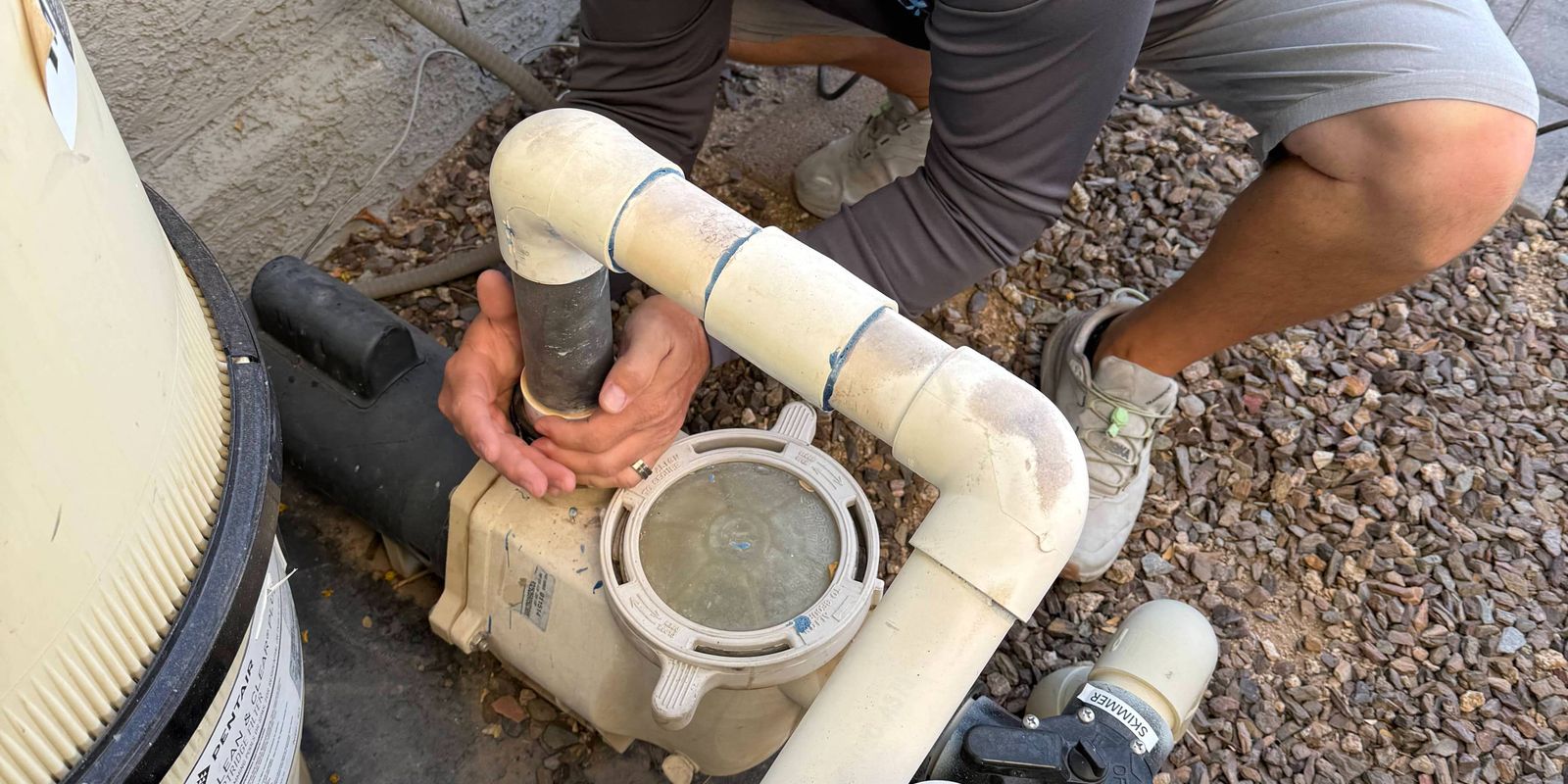
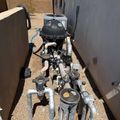
If your pump is still single-speed, that is often the biggest energy problem in the whole system. Single-speed pumps are simple, but they are not kind to your electric bill. A variable-speed pump can usually run longer at lower RPMs and move the same water for less energy.
Even if you are not ready for a pump replacement, you can still save money:
- Run the pump enough to keep the water clean, but not longer than necessary
- Use lower speeds when full flow is not needed
- Clean the filter so the pump does not work against extra restriction
- Fix suction leaks that make the pump lose efficiency
- Keep returns aimed for good circulation instead of dead zones
The important part is balance. Running the pump less only saves money if the water stays healthy. A cloudy pool that needs a reset is not efficient. It is just under-maintained.
Arizona-Specific Problems That Quietly Raise Costs
Arizona has a few special expenses built into the environment:
Heat: Hot water burns through sanitizer faster and encourages algae growth. Once the water warms up, your chemistry usually needs more attention, not less.
Hard water: Every refill adds minerals back into the pool. Over time, that means scale on tile, heaters, salt cells, and plumbing. Scale is expensive because it lowers efficiency and shortens equipment life.
Dust: Fine dust does not look dramatic, but it loads filters quickly and keeps chlorine busy. After a windy week or a monsoon storm, expect to clean baskets and likely brush more than usual.
Evaporation: When water disappears, chemicals and calcium do not disappear with it. They get concentrated. Then you top off with hard water and the cycle continues.
The fix is not to panic. It is to respond early enough that small drift does not become a service call.
Upgrades That Actually Pay You Back
Some pool upgrades are mostly cosmetic. Others save money in a real way.
The upgrades that usually make sense first are:
- Variable-speed pump: Best long-term energy saver for many Arizona pools
- Oversized cartridge filter: Holds more debris and usually needs less attention than undersized equipment
- Automation or smart timers: Helps you avoid accidental overrun and makes seasonal changes easier
- Pool cover: Reduces evaporation, chemical loss, and debris load when the pool is not in use
- Salt cell monitoring or better chlorination setup: Helps prevent expensive chemistry swings
Not every pool needs every upgrade. But if you are trying to lower monthly ownership cost, start with the thing that wastes money every day. Usually that is runtime, circulation, or evaporation.
DIY Is Great Until the Same Problem Keeps Coming Back
Homeowners should absolutely handle the basic stuff themselves:
- Skimming
- Basket cleaning
- Visual equipment checks
- Simple brushing
- Water testing
That is sensible DIY. It keeps the pool from sliding backward between visits.
Where DIY stops being smart is when you keep fixing the same symptom instead of the cause. If you are adding chlorine every day and still getting haze, something is off. If the filter gets dirty almost immediately after cleaning, there may be an underlying circulation or debris issue. If you keep losing water, the autofill is not the solution. It is just hiding the loss.
The cheapest professional service call is the one that stops a bigger repair.
Safety Still Matters When You Try to Save Money
Cutting costs should never mean cutting safety.
Be careful with:
- Handling muriatic acid and chlorine together
- Working around energized equipment
- Opening pumps or filters without relieving pressure first
- Guessing at electrical or plumbing problems
- Letting kids or pets near open equipment pads
If you are not sure whether something is a chemistry issue, a plumbing issue, or an electrical issue, stop and get it checked. The wrong DIY move can turn a manageable problem into a repair with a much uglier price tag.
A Simple Low-Cost Arizona Pool Playbook
If you want the shortest version, use this:
- Keep debris out of the water before it breaks down.
- Test chemistry regularly so chlorine can actually do its job.
- Clean baskets and filters before circulation gets restricted.
- Watch for leaks, air, noise, or scale early.
- Run efficient equipment settings instead of brute force runtime.
- Use upgrades that reduce daily waste, not just upgrades that look nice.
That is how Arizona pool owners save money without ending up with cloudy water, dead equipment, or surprise repairs.
The Bottom Line
The best way to lower pool costs in Arizona is to keep the pool stable. Stable chemistry uses fewer chemicals. Stable circulation uses less energy. Stable water level prevents pump problems. Stable maintenance prevents emergency service calls.
If you keep your pool ahead of the heat, dust, and hard water instead of reacting after the fact, the monthly cost drops naturally.
Need help finding the most expensive weak spot in your pool system? Contact McCool's Pools and we can help you tighten it up.



 (623) 323-9044
