 Click To Email
  (623) 323-9044
  Opening hours: Mon - Friday, 6:00am to 7:00pm






The Equipment Pad Is Where Small Problems Turn into Big Bills
Most Arizona pool owners focus on the water itself: chlorine, pH, clarity, algae, and hard water. That makes sense. If the water looks off, everyone notices it right away.
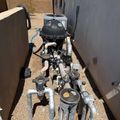
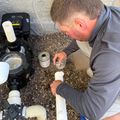
But the equipment pad is where the bigger problems usually start. The pump, filter, valves, heater, salt cell, timer, and plumbing connections keep the pool usable in the first place. If one part starts slipping, the whole system gets less efficient.
In Arizona, that matters more because heat, dust, hard water, and long run times put constant stress on equipment. A simple monthly walkthrough takes 10 to 15 minutes and can save you from a dead pump, a scaled heater, or a filter issue that quietly inflates your electric bill.
Why Arizona Makes Equipment Wear Faster
Arizona is rough on pool systems in a few predictable ways. Heat dries out seals and electronics. Dust clogs baskets and filters. Hard water leaves scale in heaters, salt cells, and plumbing. Long run times give small problems more chances to become big ones.
That is why the pad needs regular attention, not just emergency attention.
Start With the 15-Minute Walkthrough
Walk the pad and ask five questions:
- Is anything leaking?
- Is anything making new noise?
- Is water flowing the way it should?
- Is there visible buildup, rust, or scale?
- Does anything look hotter, noisier, or dirtier than last month?
That sounds basic, but basic is what catches the expensive stuff early.
1. Check the Pump First
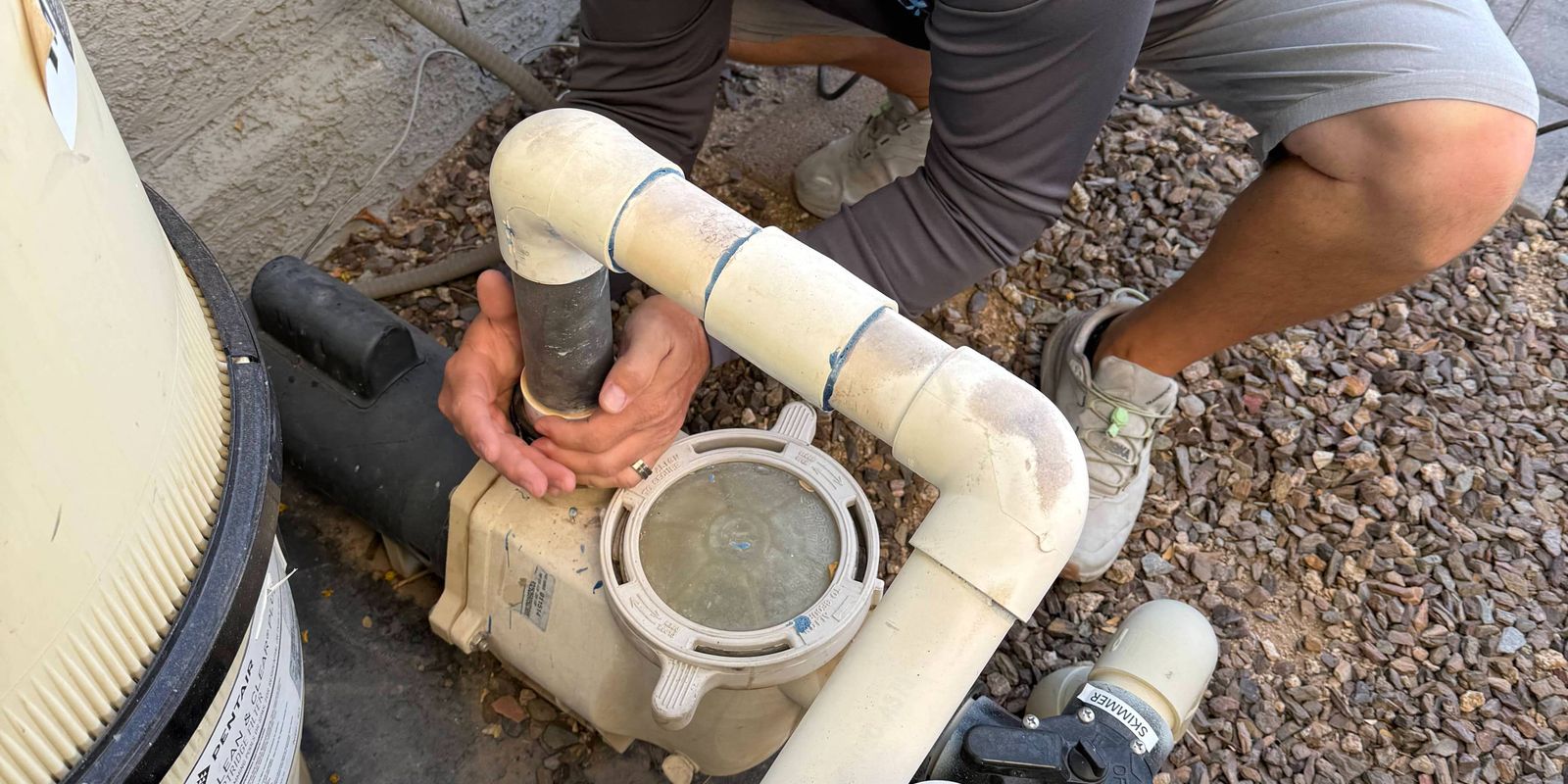
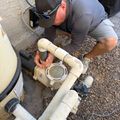
The pump is the heart of the system, and it usually gives warning signs before it fails completely.
Look for:
- Water drips around the pump lid, unions, or drain plugs
- Air bubbles in the pump basket
- A lid that is hard to seal or seems loose
- A motor that sounds louder, rougher, or more strained than usual
- Vibration that was not there before
If the pump basket is half full of air while the system is running, that is not a normal quirk. It usually means an air leak on the suction side or a water level problem. If the pump sounds like it is grinding, whining, or humming without moving water well, it needs attention fast.
In Arizona, a struggling pump runs hotter, and heat is already the enemy.
2. Open the Filter Area and Look for Pressure Clues
Your filter tells you a lot about the health of the pool.
If your pressure gauge is much higher than normal, the filter is probably loaded up with debris. That is common after dust, heavy swimming, or monsoon cleanup. If pressure is too low, you may have a circulation problem, an air leak, or a clogged basket.
When you inspect the filter, look for:
- Cracked tanks or leaking valves
- Salt or calcium crust around fittings
- A cloudy or stuck pressure gauge
- Cartridge elements that look collapsed, torn, or caked in debris
- Sand or DE systems that are not cleaning the way they used to
Dust and hard water are a bad combination. Dust chokes the filter, and scale makes the system less efficient even when it is technically working. If you are cleaning the filter every few weeks in summer, that is often normal for Arizona. If it still feels restricted right away, something else is going on.
3. Look at the Valves and Unions
Valves are easy to ignore because they just sit there and do their job until they do not.
Check for:
- Dripping around handle stems or unions
- Cracks in the valve housing
- Handles that feel stiff, loose, or hard to turn
- Water spray where there should be a clean seal
Arizona sun and temperature swings can make plastic brittle. A small crack around a union can become a bigger leak quickly, and a valve that is beginning to fail can quietly reduce flow long before it fully breaks.
You do not need tools here. Look closely, wipe away residue, and see whether it returns.
4. Inspect the Heater Even If You Barely Use It
A lot of Arizona homeowners do not think about the heater until fall, but that is usually too late. If it has been sitting all summer, it still deserves a look.
Check for:
- Rust or corrosion around the cabinet
- Insects, dirt, or debris in the vent openings
- Scale at the plumbing connections
- Signs of water leaks underneath the unit
- Error lights or display issues
Heaters hate bad water chemistry, but they also hate neglect. Calcium scale and poor flow can shorten heater life fast. If it is older and showing corrosion, address it before you need it again in cooler months.
5. Check the Salt Cell or Sanitizer Setup
If your pool uses a salt system, the cell needs regular attention. In Arizona, salt cells collect calcium scale quickly when calcium hardness or pH drifts high.
Look for:
- White scale on the cell plates
- Warning lights or low-output alerts
- Loose electrical connections
- Crusting around the housing
If the pool uses tablets or liquid chlorine instead, inspect the feeder or dosing setup for leaks, buildup, or stuck parts. The goal is the same either way: steady sanitizer delivery without extra stress on the equipment.
6. Make Sure the Electrical Side Looks Safe
You do not need to open the panel to notice obvious problems.
Look for:
- Burn marks
- Loose conduit
- Standing water around the equipment pad
- Rust on exposed hardware
- A breaker that trips more than once
- A timer that is obviously inaccurate or unreliable
Anything electrical and wet deserves respect. If you see overheating, melting, or repeated breaker trips, stop treating it like a DIY issue.
7. Watch for the Little Costly Things
The most expensive problems are often the ones that look harmless.
Examples:
- A tiny suction leak that makes the pump work harder
- A skimmer basket that keeps clogging because the water level is too low
- A filter that needs cleaning far more often than it used to
- A valve that is half stuck and slowly starving circulation
- A heater that is barely functioning because scale has been building for months
Each one adds friction to the system. That friction shows up later as higher energy use, poor water quality, or a full repair call. If the pool has been needing more top-off water lately, that is also worth checking because extra refill water means extra minerals.
A Simple Arizona Maintenance Rhythm
If you want an easy routine, use this:
- Weekly: Skim, empty baskets, glance at the pad, and listen for unusual noises
- Monthly: Do the full 10 to 15 minute walkthrough
- Seasonally: Review heater condition, deep-clean the filter, and inspect all visible plumbing and electrical connections
- After dust storms or heavy monsoon use: Check baskets, pressure, and flow right away
That rhythm works because it follows Arizona conditions instead of pretending the pool lives in a mild climate.
What You Can Safely Handle Yourself
Good DIY tasks include:
- Cleaning skimmer and pump baskets
- Wiping down the pad
- Watching for leaks or unusual noise
- Checking pressure readings
- Rinsing visible dust off equipment
- Keeping the area around the pad clear
What you should not do casually:
- Open energized electrical components
- Force stuck valves
- Ignore a pump that is cavitating or overheating
- Run the system if it is clearly losing prime
- Keep using a heater that smells wrong or shows corrosion
The rule is: do the visual stuff yourself and call a pro when the issue moves from maintenance into diagnosis.
The Payoff Is Simple
An Arizona pool does not usually fail in one dramatic moment. It wears down in layers: a little dust here, a little scale there, a pump that sounds a bit louder, a valve that is a little stiffer, a filter that is a little more clogged than it should be.
If you catch those changes early, the pool stays easier to run, cheaper to maintain, and less likely to surprise you with a major repair.
That is the real value of the equipment pad checklist. It does not make your pool fancy. It makes your pool predictable. And in Arizona, predictable is worth a lot.







 (623) 323-9044
