 Click To Email
  (623) 323-9044
  Opening hours: Mon - Friday, 6:00am to 7:00pm






Most Pool Problems Are Not Mysterious. They Are Just Easy to Misread.
When an Arizona pool starts looking cloudy, feeling rough, losing clarity, or eating through chlorine too fast, most homeowners jump to the first obvious fix. Add more shock. Run the pump longer. Clean the filter again. Drain a little water. Add another bottle of something because the water still does not look right.
The problem is that the symptom is not always the cause.
Arizona pools live in a tough environment. Heat speeds up chlorine loss. Hard water leaves scale behind. Dust shows up like it pays rent. Monsoon storms dump a mess into the water. High UV, heavy swim use, and long run times all blur the line between a chemistry issue, a circulation issue, and a contamination issue.
If you want to fix the right thing the first time, you need a simple way to sort the problem before you spend money on the wrong solution.
The Three Buckets That Solve Most Arizona Pool Problems
When a pool is acting up, almost everything falls into one of three buckets:
- Chemistry - the water is out of balance
- Circulation - the water is not moving the way it should
- Contamination - something external is getting into the pool faster than the system can handle it
That is the shortcut. If you can figure out which bucket you are in, you stop guessing.
Bucket 1: Chemistry Problems
If the water looks bad but the pool equipment seems to be running normally, chemistry is usually the first place to check.
Common chemistry clues
- Chlorine disappears faster than usual
- Water looks dull, hazy, or slightly gray
- pH keeps climbing every time you test
- You keep adding product but the pool never seems stable
- The water feels irritated or harsh
- Scale starts showing up on tile, walls, or equipment
Arizona water makes chemistry drift faster than many homeowners expect. Strong sun burns through sanitizer. Hard fill water raises calcium. Heavy evaporation concentrates everything that stays behind. If you are on tablets or stabilized chlorine, cyanuric acid can creep up too high and make chlorine less effective even when the reading looks okay on paper.
What to check first
Start with the basics:
- Free chlorine
- pH
- Total alkalinity
- Calcium hardness
- Cyanuric acid if you use stabilized chlorine
If chlorine is low, do not just dump in more and walk away. Ask why it is low. In Arizona, the answer is often one of three things:
- The pool is overexposed to UV and needs a better sanitizer strategy
- The pH is too high and chlorine is not working efficiently
- The pool is overloaded with debris or swimmers and using sanitizer faster than expected
A chemistry mistake that costs money
The most expensive chemistry mistake is chasing symptoms one at a time. If you keep buying algaecide, shock, clarifier, and scale treatment without fixing the underlying balance, you are paying for temporary relief instead of a stable pool.
Bucket 2: Circulation Problems
If the water chemistry is reasonably close but the pool still looks inconsistent, circulation is the next thing to inspect.
Common circulation clues
- Dead spots where debris always settles
- One area of the pool looks cleaner than the rest
- The skimmer is not pulling strongly
- The pump sounds different, louder, or strained
- Air bubbles show up in the pump basket or returns
- Filter pressure is higher or lower than normal
- The water clears after long runtime, then gets worse again
Arizona pools need enough circulation to keep hot water moving and chemicals distributed. If the water is moving poorly, the pool can look dirty even if the chemistry is not terrible. Dead spots also give algae and dust a place to settle.
What to check first
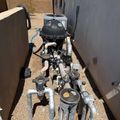
Look at the equipment pad and the pool surface together:
- Is the water level high enough for the skimmer to work?
- Is the pump basket full of debris?
- Is the filter clogged or overdue for cleaning?
- Are returns pointed in a way that actually moves water around the pool?
- Is there air getting sucked into the system?
If your pool is using more electricity than it should, circulation may be part of the problem. A pump running longer to compensate for weak flow is not efficiency. It is a sign that something else needs attention.
A circulation mistake that costs money
Many homeowners assume a cloudy pool needs more chemicals when it really needs better movement. If the filter is dirty, the skimmer is weak, or the pump is struggling, you can pour money into the water and still not fix the real issue.
Bucket 3: Contamination Problems
If the pool was fine and then suddenly got dirty, contamination is probably the culprit.
Common contamination clues
- A dust storm or monsoon just rolled through
- Trees, palms, or flowers are dropping debris
- Swimmers were in the pool all weekend
- Sunscreen, oils, or body products are leaving a film
- The water suddenly looks worse after a wind event
- Fine dirt keeps reappearing even after brushing
Arizona is brutal about this. One windy afternoon can load a pool with fine dust that does not look dramatic at first but still clogs up the water and filter. Monsoon weather can add rainwater, debris, and runoff all at once.
What to check first
Ask whether the pool has been exposed to a recent event:
- Wind or dust storm
- Heavy bather load
- Landscaping work
- Monsoon rain
- Nearby construction
If yes, the pool may not have a chemistry problem at all. It may just be dealing with more junk than usual.
A contamination mistake that costs money
The mistake here is treating every dirty pool like it is an algae outbreak. Sometimes the right move is simply to remove debris quickly, brush thoroughly, clean the filter, and restore balance after the event. If you overcorrect, you waste chemicals and still do not solve the source.
The 15-Minute Arizona Pool Troubleshooting Routine
If your pool is not behaving and you do not know why, do this before you start buying product.
Step 1: Look
Stand back and inspect the whole pool:
- Is the water level normal?
- Is debris collecting in one area?
- Is the water clear everywhere or only near returns?
- Is there scale at the waterline?
- Does one side of the pool look more stagnant?
Step 2: Listen
Equipment tells on itself:
- Pump loudness
- Cavitation or rattling
- Air in the system
- Weak skimmer suction
- Strange vibration
Step 3: Test
Check the water before you change the water:
- Free chlorine
- pH
- Alkalinity
- Calcium hardness
- Cyanuric acid
Step 4: Clean the obvious stuff
- Skim
- Empty baskets
- Brush the walls and steps
- Clean the filter if needed
- Remove anything that recently blew into the pool
Step 5: Wait before overcorrecting
Once you make the basic correction, give the pool a little time to respond. A lot of pool problems get worse because people keep stacking fixes before the first one has had a chance to work.
How Arizona Weather Changes the Diagnosis
The same symptom can mean different things depending on the season.
In summer, a chlorine problem may really be a heat and UV problem. In monsoon season, cloudy water may be contamination plus filtration load. During dry windy stretches, a pool that looks dirty may actually just be dealing with nonstop dust and evaporation. In cooler months, lower circulation or neglected maintenance can show up as dull water even when the pool is not being used much.
That is why Arizona pool care needs context. Do not just ask, “What color is the water?” Ask, “What did the pool go through this week?”
When the Problem Is Bigger Than DIY
Some issues are worth handling yourself. Others are not.
Call in a professional if:
- The pump keeps losing prime
- The filter pressure keeps jumping for no clear reason
- The water stays cloudy after cleaning and balancing
- You suspect a leak
- You see repeated scale or staining
- The heater, salt system, or automation is acting up
- Electrical components are involved
If you are unsure whether you have a chemistry problem or an equipment problem, stop before you start experimenting. The wrong DIY move can turn a manageable issue into a bigger repair.
The Best Way to Save Money Is to Fix the Right Thing
Most Arizona pool owners do not overspend because they are careless. They overspend because they treat symptoms like separate problems.
They add chemicals when the pool needs circulation. They clean the filter when the real issue is contamination. They run the pump longer when the real issue is dead spots or a clogged basket. They fight hard water with random products instead of watching calcium and pH together.
If you learn to sort pool problems into chemistry, circulation, or contamination, you will make better decisions, waste less money, and keep the water easier to own.
The Bottom Line
Arizona pool care gets easier when you stop guessing.
If the water is off, ask:
- Is the chemistry out of range?
- Is the water moving the way it should?
- Did something external just foul the pool?
That simple filter solves most of the mystery and helps you avoid the expensive habit of fixing the wrong thing over and over.
If you want a second set of eyes on a problem pool, contact McCool's Pools and we will help you figure out what is actually going on.






 (623) 323-9044
